Bishop Cotton Boys’ School was founded in 1865, in the days of the British Raj, as a day and boarding school for the children of Christian families in Bangalore. Named in memory of George Edward Lynch Cotton, Bishop of Calcutta, it has grown across more than a century and a half into one of India’s oldest and most distinguished schools.

Origins
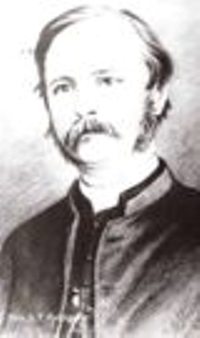
The School’s beginnings lie in a house on High Grounds — the site over which the ITC Windsor now stands. It was started in 1865 by Rev. S. T. Pettigrew, then Chaplain of St. Mark’s Cathedral, who wished, in his own words, to “establish a day and boarding School for the Children of Christian residents in the station and its vicinity.” The School was named in honour of George Cotton, Bishop of Calcutta, under whose stewardship a scheme of education had been organised for the Anglican Churches in India. Its doors opened on the 19th of April, 1865, founded on the twin pillars of Christian faith and sound scholarship.
The Pope era
In its first five years the young School had three principals. It was with the arrival of George Uglow Pope — a distinguished Tamil scholar who translated the Tirukkuṛaḷ into English — that the present site was acquired, for Rs. 47,500. The boys’ and girls’ schools then shared the one campus under different heads. Under Pope’s stewardship the School grew from strength to strength: a collegiate section was started and the School won recognition from the University of Madras. It was Pope who gave the School its enduring motto — Nec Dextrorsum, Nec Sinistrorsum, “Neither to the right, nor to the left.”
Decline and revival
When Pope left India in 1892 to take up the post of Reader at Oxford, the standard of the School began to decline, and by 1906 its closure was being contemplated. As a last resort, Henry Whitehead, Bishop of Madras and chairman of the board of governors, invited the members of the Brotherhood of St. Peter to save the School. Herbert Pakenham-Walsh of the Brotherhood — later a Bishop — revived it, and the School still keeps the traditions of that age, celebrating St. Peter’s Day and Guy Fawkes’ bonfires among others. In 1911 the girls’ school moved across the road — today Bishop Cotton Girls’ School stands on the opposite side of St. Mark’s Road. William Elphick then laboured for a quarter of a century for the School’s growth.
Scouting & traditions
Scouting was officially founded in British India in 1909 — and it began here, at Bishop Cotton Boys’ School in Bangalore, under Capt. T. H. Baker and Major Pakenham-Walsh. In keeping with that sense of continuity, the School’s Houses are named after former principals — Pope, Pakenham-Walsh, Pettigrew, Elphick and Thomas — so that each new generation carries their names onto the field and into the classroom.
Cottons today
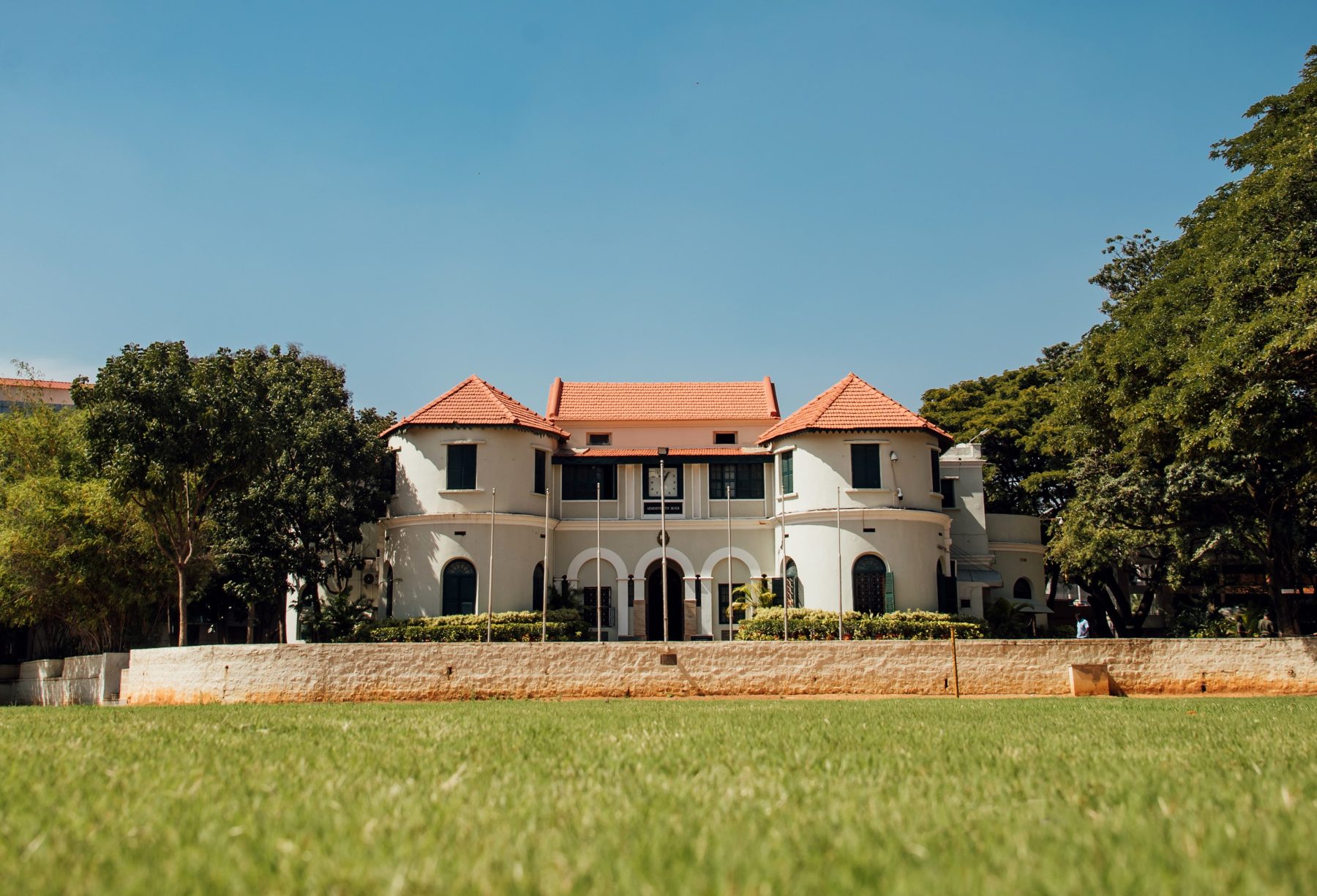
After India gained independence in 1947, the School came to be governed by the Church of South India, as it is to this day through the Karnataka Central Diocese. Its 14 acres — bordered by Residency Road, St. Mark’s Road, Lavelle Road and Vittal Mallya Road — sit in the very heart of Bengaluru. Home now to close to six thousand day and residential students, with a curriculum leading to the ICSE at Std X and the ISC at Std XII, the School continues to marry its Anglican heritage with a broad, ambitious education. Over more than 160 years, Cottonians have gone on to shine in every walk of life, across India and the world.
The School opens on 19 April in a house on High Grounds, founded by Rev. S. T. Pettigrew and named in memory of Bishop George Cotton of Calcutta.
Under Rev. G. U. Pope, the present Residency Road site is acquired for Rs. 47,500; the School wins recognition from the University of Madras.
Pope leaves India for Oxford; in the years that follow the School enters a period of decline.
With closure contemplated, the Brotherhood of St. Peter is invited to save the School; Herbert Pakenham-Walsh revives it.
Scouting in British India is founded — beginning at Bishop Cotton Boys’ School.
The School Chapel is dedicated on St. Peter’s Day; the girls’ school moves across St. Mark’s Road.
After Independence, governance of the School passes to the Church of South India.
More than 160 years on, Cottons is home to close to six thousand students, with excellent facilities for day and residential pupils alike.